🎃 Pumpkin Line 🎃
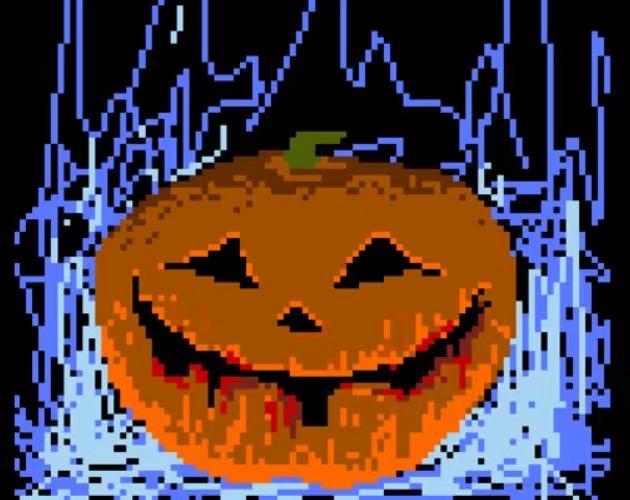
Pumpkin Line is a short psychological horror experience told through a single mysterious chat.
Overview
Type: Branching Narrative / Twine Game / Micro Interactive Fiction
Role: Writer, Narrative Designer, Twine Developer, Visual Artist
Tools: Twine (SugarCube), CSS, Procreate
Team: 2 people, within 1 week
Recognition: Ranked #6 in Narrative Design — GameDev.tv Halloween Jam 2025 on Itch.io
Pumpkin Line is a short interactive story built entirely in Twine as an experiment in branching-narrative design. Through quick choices and various endings, the piece explores how we navigate uncertainty, fear, and the instinct to distrust strangers, especially over the phone. It asks a simple question: What if the call you’re about to ignore isn’t a scam? What if it’s something else?
Background & Inspiration
The project was sparked by a very real and very stressful week: I received three fake job offers and four scam phone calls within a few days. Like many people, I’ve learned to treat every unknown number as a scam, and most of the time that’s the right decision.
But occasionally, a small thought slips in:
What if this time it isn’t? What if...
Pumpkin Line grew out of that tension: the space between caution and curiosity, skepticism and imagination. I wanted to build a shifting little story that captures that moment of hesitation before we decide to trust or block.
Process
1. Branching Narrative Exploration
This project was part of my broader exploration into interactive fiction tools. I experimented with how far one can push micro branching within Twine before the choices become unmanageable. I studied existing narrative flow models and mapped paths using paper prototypes before implementing them digitally.
2. Building in Twine
I constructed modular passages so that branches could fold and unfold cleanly. I focused on maintaining emotional pacing and ensured each choice felt meaningful despite the story’s short form.
3. CSS Customization
This was surprisingly challenging. Ensuring the story displayed consistently across devices required repeated adjustments, especially for text scaling, spacing, and image placement. Through this process I learned how limited but also how flexible Twine’s front-end customization can be.
4. Playtesting & Iteration
I tested the game on both mobile and desktop. Player feedback highlighted issues in readability and pacing, which led to multiple CSS adjustments and small narrative rewrites. Interestingly, some players commented that the dialogue gave the protagonist a distinct personality which is something I hadn’t intentionally planned. Their reactions made me realize how much tone, phrasing, and small linguistic choices can shape character, even in micro-branching formats. This insight has pushed me to think more carefully about voice and emotional framing in interactive fiction.
Outcome
Pumpkin Line became a compact but atmospheric story about uncertainty and fear, and received encouraging feedback from readers in the Halloween Jam community, earning 6th place in Narrative, which affirmed the project’s clarity and emotional impact despite its small scope.